Focus On Animal Nutrition And Health
Focus On Animal Nutrition And Health

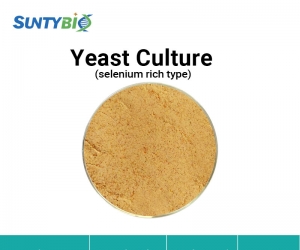
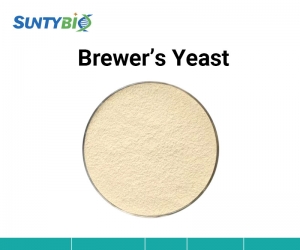
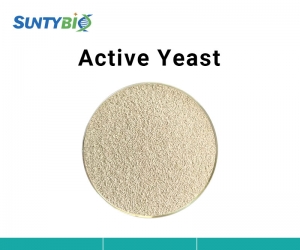
Ruminant productivity is closely linked to a stable and well-functioning rumen environment. Saccharomyces cerevisiae plays multiple roles in enhancing rumen fermentation:
Live yeast provides nutrients and metabolites that stimulate the growth of beneficial fiber-digesting bacteria such as Ruminococcus and Fibrobacter. This promotes better breakdown of forage and high-fiber diets.
Yeast cells consume oxygen in the rumen, creating a more favorable anaerobic environment and supporting lactate-utilizing microbes. This helps prevent acidosis, especially in animals fed high-energy or transition diets.
Numerous studies show that yeast supplementation increases the digestibility of neutral detergent fiber (NDF) and acid detergent fiber (ADF), allowing ruminants to extract more nutrients from forages and silage.
Beyond rumen function, S. cerevisiae contributes to better overall health and resilience in livestock.
The yeast cell wall is rich in β-glucans and mannan oligosaccharides (MOS), which help activate immune cells and enhance disease resistance.
Mannan oligosaccharides can bind harmful bacteria such as E. coli, reducing their adhesion to the intestinal lining and improving gut health—particularly beneficial for young calves during stressful weaning periods.
Yeast supplementation has been associated with reduced stress responses related to transportation, heat load, and calving, helping animals maintain feed intake and normal metabolic function.
Yeast additives offer notable advantages in dairy, beef, and sheep production systems.
By improving rumen fermentation efficiency and stabilizing intake, yeast cultures can increase milk production and support higher milk fat percentages.
Enhanced feed efficiency leads to better average daily gain (ADG), allowing animals to reach market weight faster and improving overall profitability for farmers.
Because fiber digestibility improves, producers may reduce the proportion of expensive concentrates in the diet, achieving better performance without increasing feed expenditures.
As demand grows for environmentally responsible farming methods, Saccharomyces cerevisiae contributes to a more sustainable ruminant system.
By improving the utilization of roughages and crop residues, yeast helps reduce dependence on grain-based feeds.
Some studies suggest that yeast-modified rumen fermentation may lower methane production, contributing to a smaller environmental footprint.
Yeast is a natural microbial product with no residues, making it suitable for antibiotic-free and organic production systems.
Saccharomyces cerevisiae has become a valuable tool for modern ruminant production. From enhancing rumen health and boosting feed efficiency to improving immune function and supporting sustainable agriculture, yeast supplementation offers consistent and measurable benefits. As research and technology continue to advance, its role in cattle and sheep nutrition will likely expand even further.
Focus on feed additives global
supply for 13 years
Hebei Shuntian biotechnology Co.,Ltd.
Add:Machang Town,Qing County ,Cangzhou City ,Hebei,China
Tel: +86-317-2135910
E-mail:Erica@stbiol.com
© Copyright - 2018-2020 : All Rights Reserved.