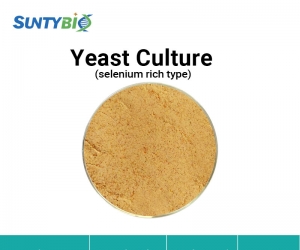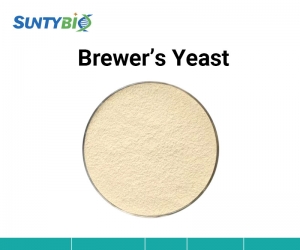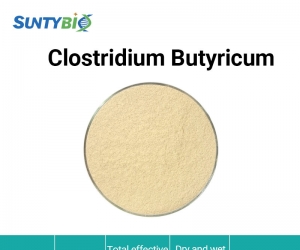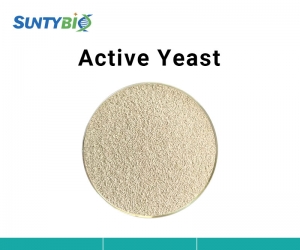
Focus On Animal Nutrition And Health
Focus On Animal Nutrition And Health

Adding just 0.25 g/kg of yeast cell wall to layer feed improves laying rate and reduces inflammation – without drugs.
Mr. Zhang has been raising laying hens for eight years. What worries him most isn’t egg prices – it’s disease outbreaks.
He used to add antibiotics to the feed when seasons changed, “just for prevention.” But those days are over. Antibiotics are now banned during the laying period. If residues are detected, the entire flock may be culled, and heavy fines follow.
“If I don’t use antibiotics, will the hens get sick? Will the laying rate drop?” Mr. Zhang’s concerns are shared by farmers everywhere.
Then he learned about yeast cell wall. A tiny amount in the feed – and the results are remarkable: higher laying rates, lower inflammation, and zero antibiotics.
Here is how it works.
For decades, livestock production depended heavily on antibiotics – for prevention, treatment, and growth promotion. But overuse has led to serious problems:
Bacterial resistance
Gut microbiota disorders
Drug residues in eggs and meat
Governments are now enforcing strict rules: antibiotics are banned in feed and tightly restricted on farms.
What can replace them?
An ideal alternative must meet three criteria:
✅ Safe – no residues, no resistance
✅ Effective – prevents disease, supports productivity
✅ Practical – easy to store and use
Yeast cell wall ticks all three boxes.
It is not a drug or hormone. It is a natural functional polysaccharide derived from yeast. It does not kill bacteria directly. Instead, it strengthens the birds' own immunity and gut health.
A 2025 study published in the journal Animals provides solid scientific evidence.
Researchers used 500 Hisex laying hens at peak production. The hens were divided into several groups. One group received 0.25 g/kg yeast cell wall in their daily feed. Several probiotic groups (e.g., Bacillus subtilis, Bacillus coagulans) were included as controls. The trial lasted 16 weeks.
What does 0.25 g/kg mean?
It is only 250 grams per tonne of feed – about a small handful. The cost is negligible.
Yet the results were striking:
The yeast cell wall group showed significantly higher laying rates and better feed conversion ratios compared to the control group.
In simple terms: with the same amount of feed, hens receiving yeast cell wall produced more eggs. Lower feed cost per egg – better profitability.
Higher egg production comes from better health – and the data prove it.
Researchers measured three key inflammatory markers in the hens’ blood: IL-1β, IL-6, and TNF-α.
Think of these as three fires burning inside the birds. The hotter the fire, the more severe the chronic inflammation. Chronic inflammation constantly consumes nutrients and damages organs. Much of the feed energy goes to “fighting the fire,” leaving less for egg laying.
The results were clear:
| Inflammatory Marker | Control Group | Yeast Cell Wall Group |
|---|---|---|
| IL-1β | High | Significantly lower |
| IL-6 | High | Clearly reduced |
| TNF-α | High | Greatly decreased |
At the same time, the level of anti‑inflammatory cytokine IL-10 increased.
Yeast cell wall shifts hens from an “easy‑to‑inflame” stress state to a balanced, healthy immune state.
When hens are not fighting internal inflammation, they can channel nutrients into egg production. That is the real reason behind the higher laying rate.
One of the most interesting findings of this study: yeast cell wall was directly compared with probiotics.
The result?
In lowering pro‑inflammatory factors (IL-1β, TNF-α) and improving laying rate, yeast cell wall performed as well as the best probiotic group.
However, yeast cell wall has a major advantage over probiotics – it is robust.
| Feature | Yeast Cell Wall | Probiotics |
|---|---|---|
| Storage | Room temperature, dry | Requires refrigeration, sensitive to heat/moisture |
| Heat tolerance | Withstands pelleting above 80°C | Dies above ~60°C |
| Stability | Long shelf life, consistent effect | Viability declines over time |
For feed mills and farms: no special storage or processing – just mix it into the feed. Convenience matters in real-world production.
How does yeast cell wall reduce inflammation and boost laying rate?
The answer lies in the gut.
The gut is the largest immune organ in birds and the main entry point for pathogens. Studies show that β‑glucan and mannan from yeast cell wall precisely modulate the gut microbiota:
? Promote beneficial bacteria – such as Lactobacillus and Bifidobacterium
? Inhibit harmful bacteria – such as Salmonella and E. coli
A healthier gut environment builds three lines of defense:
Stronger physical barrier – intact intestinal lining keeps harmful substances out
More stable immune barrier – local immunity is activated but not over‑reactive
Better nutrient absorption – higher feed efficiency, less waste, more eggs
Healthy gut → lower systemic inflammation → higher laying rate.
This is a clear cause‑and‑effect chain.
Back to Mr. Zhang.
He decided to try yeast cell wall in part of his flock. One month later, he was pleasantly surprised:
The birds looked more active
Droppings were firmer
Eggshell gloss had improved
More importantly, the respiratory problem that used to hit every season change did not break out across the farm.
“If I had known it was this easy, I would have used it much sooner,” he said.
0.25 g/kg – a negligible addition – can deliver:
? Higher laying rate – more eggs from the same feed input
?️ Lower inflammation – healthier flock, lower mortality
? Better profitability – tiny cost, real returns
In the era of antibiotic‑free farming, yeast cell wall is not just a “nice‑to‑have.” It is a solution worth serious consideration for every layer farmer.
Small ingredient. Big impact. Try it.
Data source: 2025 laying hen trial published in the journal Animals.
Focus on feed additives global
supply for 13 years
Hebei Shuntian biotechnology Co.,Ltd.
Add:Machang Town,Qing County ,Cangzhou City ,Hebei,China
Tel: +86-317-2135910
E-mail:Erica@stbiol.com
© Copyright - 2018-2020 : All Rights Reserved.